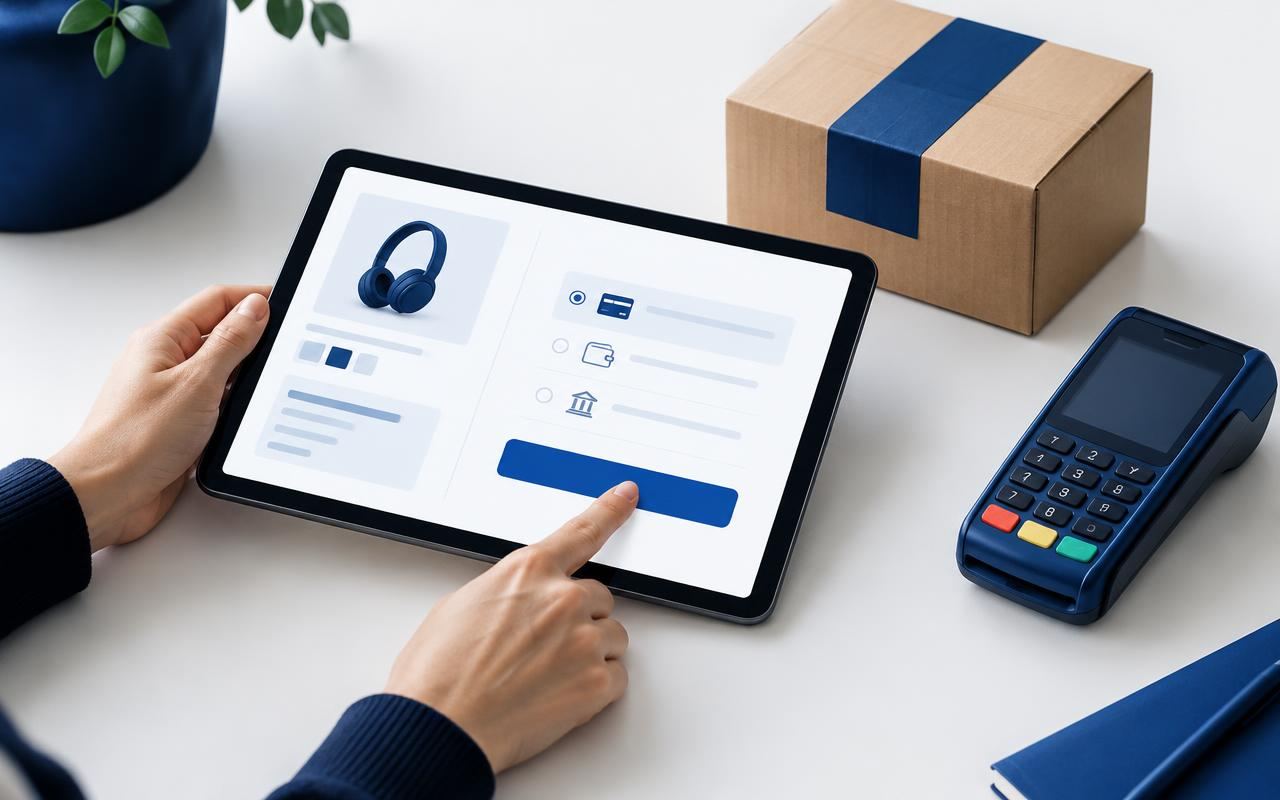
Paying for something has become so routine that it is easy to miss how much the underlying systems are changing. Behind every tap, click and transfer, new infrastructure is reshaping how quickly money moves, who can offer financial services and what customers expect at checkout.
Real-time payments are becoming the baseline
Many countries now operate instant payment systems that settle transfers in seconds rather than days. For businesses, faster settlement can improve cash flow and simplify reconciliation. For consumers, it raises expectations: waiting days for a refund or transfer increasingly feels outdated.
Speed has a trade-off. Instant transfers are usually harder to reverse, which places more weight on fraud prevention and on confirming who you are paying before money leaves an account.
Embedded finance moves payments into everyday software
Financial services are increasingly built into non-financial products: booking platforms that handle deposits, accounting tools that offer invoicing and payment collection, marketplaces that pay sellers directly. The customer experiences one seamless product, while regulated partners handle the money behind the scenes.
Wallets and account-to-account payments
Digital wallets on phones and watches have made contactless payments ordinary in many markets. Alongside them, account-to-account payments — moving money directly between bank accounts without a card network in the middle — are gaining ground, particularly for bills, larger purchases and business payments.
Security shifts toward stronger authentication
As payments get faster, authentication is getting stronger and, ideally, less intrusive. Biometrics, device-bound credentials and risk-based checks aim to stop fraud without adding friction to every purchase.
What businesses should consider
Which payment methods your customers actually prefer, by market.
The full cost of each method, including fees, chargebacks and reconciliation time.
How refunds and disputes work for faster, less reversible payment types.
Whether your payment provider can support new methods as they emerge.
Your obligations around storing and protecting payment data.
Looking ahead
The common thread across these trends is that payments are becoming less visible and more immediate. For businesses, the opportunity lies in smoother customer experiences and faster access to funds; the responsibility lies in choosing reputable partners and staying alert to fraud and regulatory change.