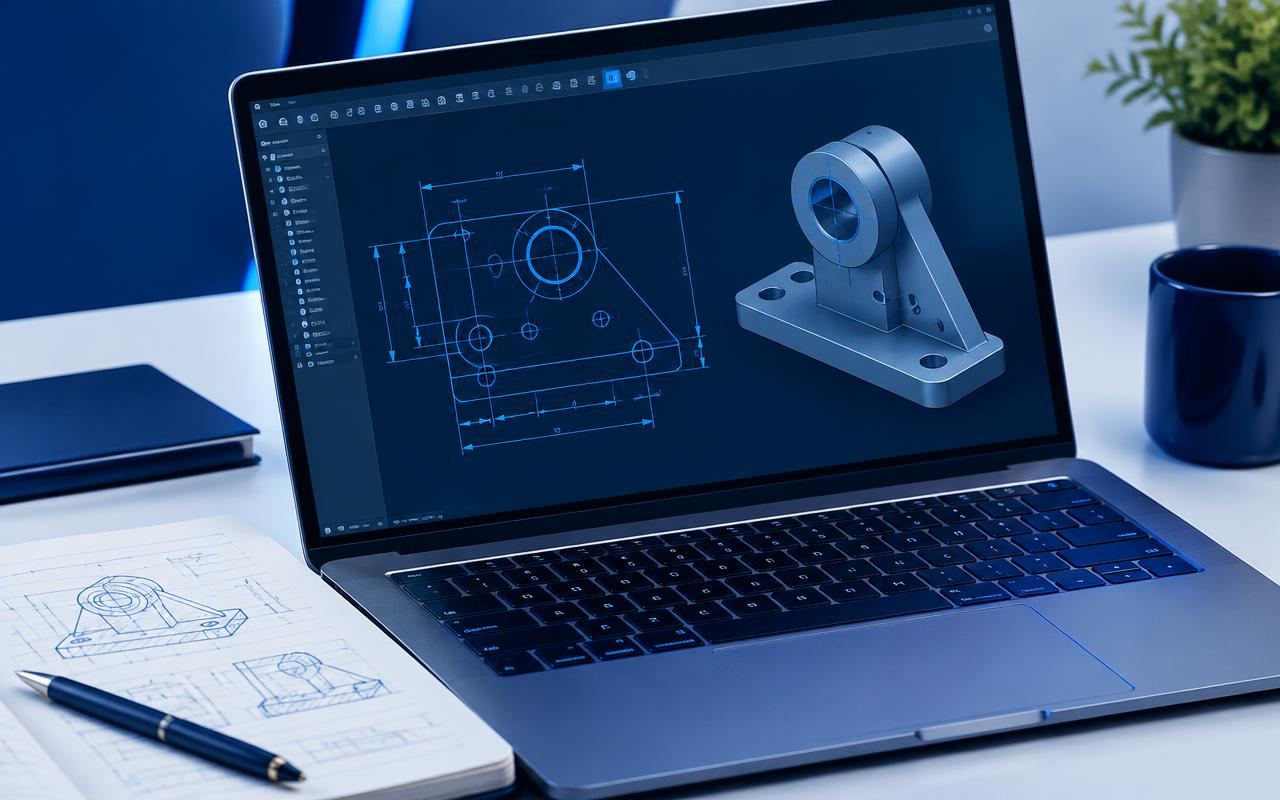
Computer-aided design tools are powerful enough that almost anything can be modeled. The harder challenge is building models that remain understandable and adaptable as a product evolves through dozens of revisions and several pairs of hands.
Start with design intent
Before drawing a single sketch, decide what is likely to change. Overall dimensions? Wall thickness? Mounting positions? Building your model so those parameters can be adjusted cleanly saves hours of rework later.
Organize models so others can follow them
Name features and sketches descriptively instead of leaving default labels.
Group related features and keep the feature tree in a logical order.
Reference stable geometry such as origin planes rather than faces that may disappear.
Use a consistent file and part-numbering convention across projects.
Use assemblies thoughtfully
Assemblies reveal how parts fit and move together, but deeply interdependent references can make them fragile. Keep relationships as simple as possible, and consider a top-down skeleton model for products where several parts share key dimensions.
Collaborate with version control
Whether your tool has built-in versioning or you rely on a product data management system, make revisions traceable. Record why changes were made, not just what changed, so decisions can be understood months later.
Prototype to learn, not to confirm
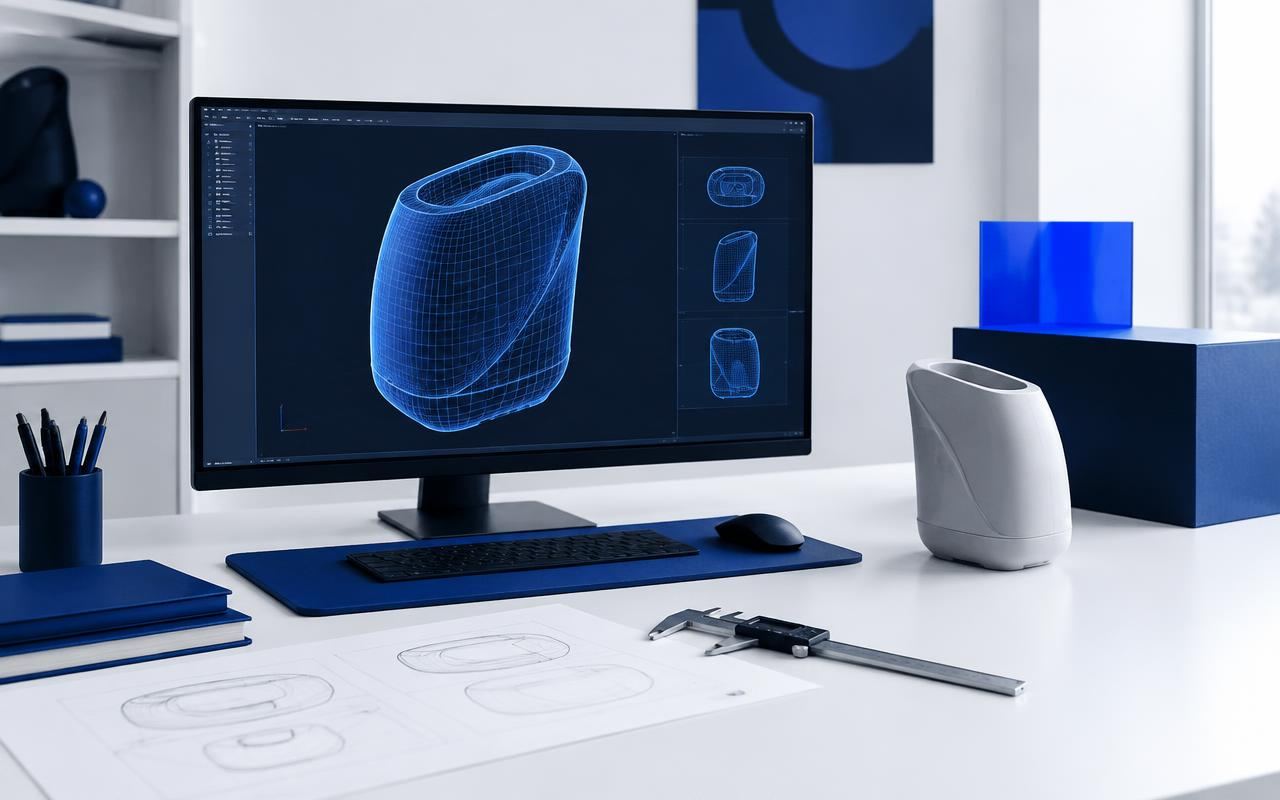
Rapid prototyping makes it easy to hold a design in your hands. Treat each prototype as a question — does this fit, does this feel right, can this be assembled — and feed what you learn straight back into the model.
Think about manufacturing from the beginning
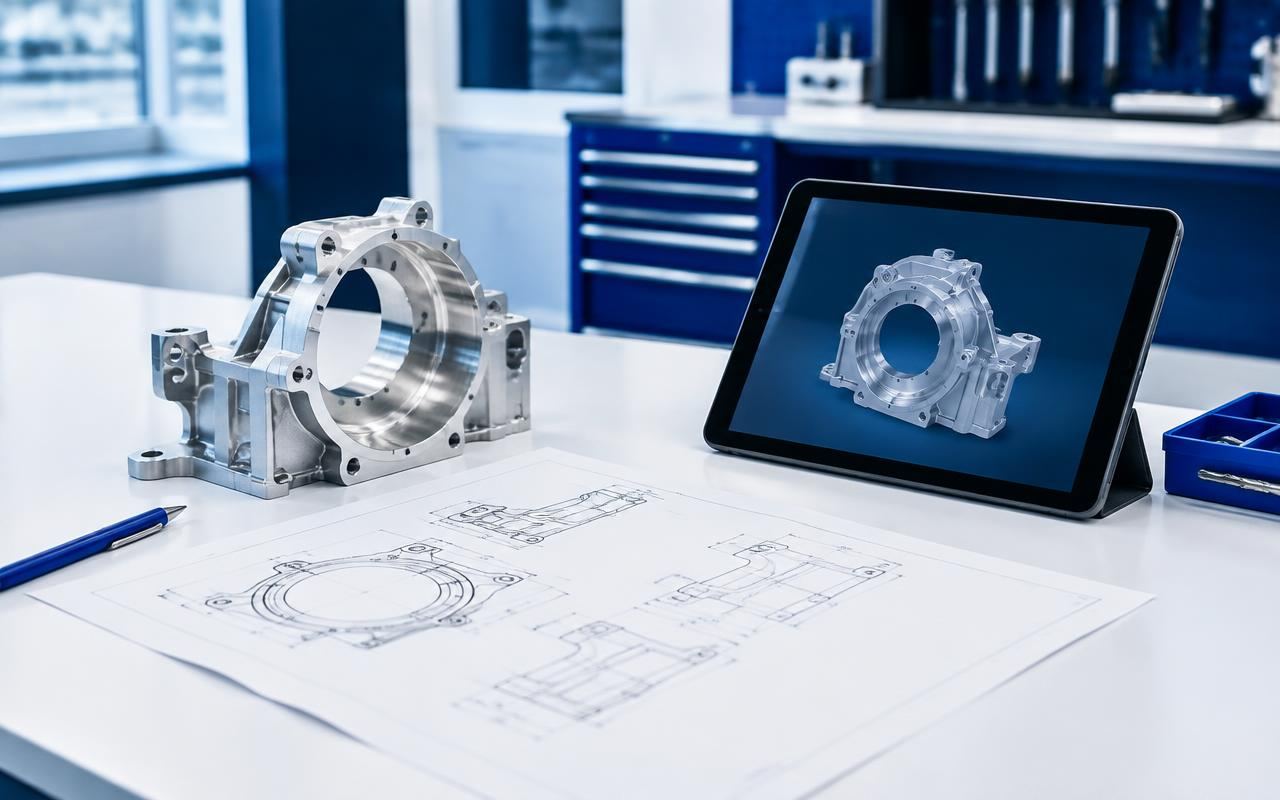
Design choices determine how a part can be made and what it costs. Considering draft angles, tolerances, material behavior and assembly steps early avoids the painful late-stage redesigns that delay launches.