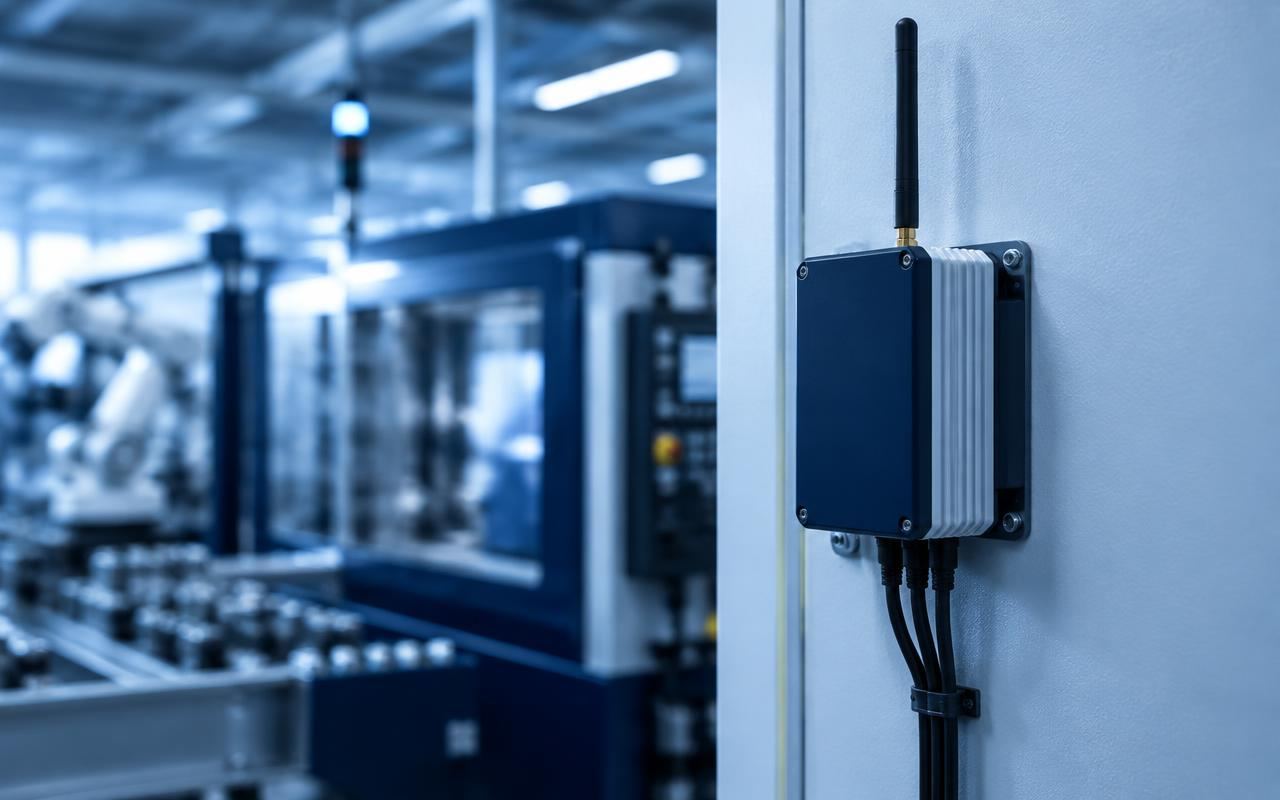
Edge computing means running computation near the source of data — on a factory floor, in a retail store, inside a vehicle — rather than sending everything to a distant data center first.
Why location matters
Every round trip to a central server adds delay and uses bandwidth. For tasks that need an immediate response, or that generate large volumes of raw data, handling the first stage locally can make systems faster and cheaper to run.
Common use cases
Monitoring equipment and reacting to faults in real time.
Filtering video or sensor feeds before sending summaries upstream.
Keeping critical systems working during connectivity outages.
Serving web content from locations close to users.
The trade-offs
Distributed devices are harder to secure, update and monitor than a central environment. Many organizations end up with a hybrid: quick decisions at the edge, heavier analysis and long-term storage in the cloud.